Physical Address
304 North Cardinal St.
Dorchester Center, MA 02124
Physical Address
304 North Cardinal St.
Dorchester Center, MA 02124
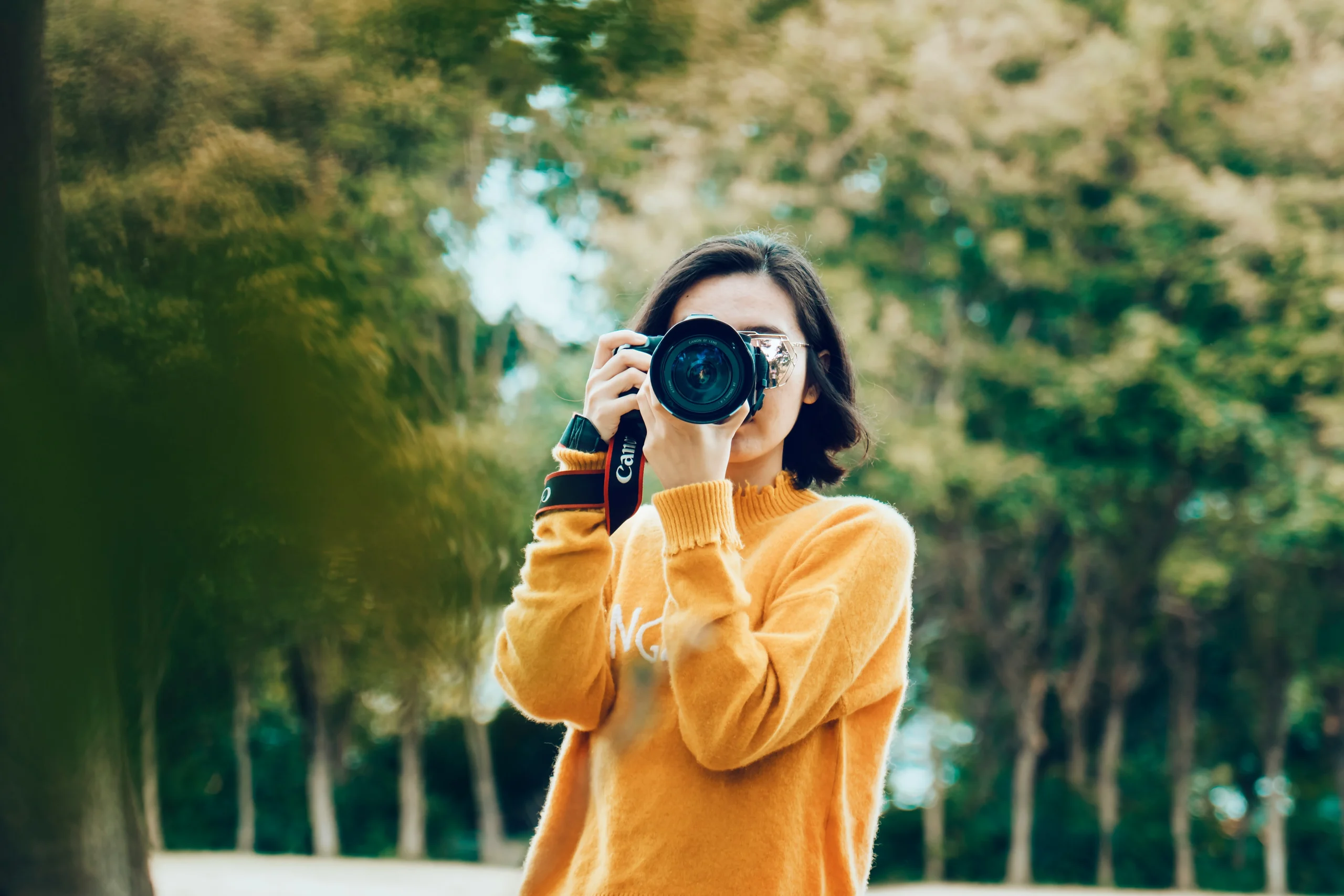
Not sure what to charge as a new photographer? This beginner’s pricing guide breaks down exactly when to shoot for free, when to start charging, and how to raise your prices with confidence as your skills and client satisfaction grow. Learn a realistic pricing path that protects your reputation, builds trust, and helps clients feel like they got an incredible deal.
When you’re brand new to photography, charging real money too early usually does more harm than good. If you’re still figuring out manual mode, learning how ISO, shutter speed, and aperture work together, or getting inconsistent results from shoot to shoot, your focus should be on practice—not income.
This is the stage where shooting friends and family makes the most sense. These sessions should be free, tip-based, or very cheap, around $20 at most. Keeping the price low removes pressure for both you and the client, which gives you space to experiment, make mistakes, and actually learn. You’ll start understanding lighting, composition, focus, and how long shooting and editing really take without the stress of feeling like you owe someone “professional” results.
Before increasing your prices, you should have a solid understanding of the exposure triangle. That means you can intentionally adjust ISO, aperture, and shutter speed to get the look you want in different lighting situations. If your results depend on luck or perfect lighting, you’re not ready to move on yet.
Confidence behind the camera doesn’t come from charging more—it comes from knowing you can deliver consistent results no matter the situation. This is why staying in the low- or no-cost phase longer is better than rushing ahead.
Once you’ve photographed around ten satisfied clients, you can start charging more consistently. The word satisfied is important here. These should be people who genuinely liked their photos, received them on time, and would recommend you to someone else. Simply completing ten shoots isn’t enough if the results weren’t solid.
At this point, charging around $50 per session is reasonable. Many photographers stay at this price for about a year or until they’ve worked with another ten to fifteen clients. This stage bridges the gap between practice and professionalism. You’re still learning, but now you’re learning how to manage paying clients, expectations, communication, and workflow.
After that foundation is built, your pricing should be based on your local photography market. In many areas, a common rate is around $300 for a session that includes fifteen to twenty edited photos. By the time you reach this stage, you should feel confident in your shooting, editing, and delivery process.
You’re no longer charging “beginner” prices because you’re no longer a beginner in practice. You understand your style, your turnaround time, and how to handle clients without stress.
Many photographers increase their income by offering upgrades rather than immediately raising their base rate. A common approach is to sell a package that includes fifteen photos at the agreed price, then show the client a larger gallery after the shoot. From there, the client can choose to upgrade to the full gallery—often sixty to seventy images—for a higher price, such as $600.
If they don’t upgrade, they simply select their original fifteen images from the gallery. Another option is offering additional photos individually, often priced around $50 per image. Both strategies give clients flexibility while allowing you to earn more from the same session.
There’s no reward for charging too much too soon, and there’s no shame in starting small. A healthy pricing path usually starts with low-pressure practice, moves into modest paid work once consistency is achieved, and eventually aligns with local professional rates.
If you focus on improving your skills and making sure clients are genuinely happy, your pricing will naturally make sense—to you and to them.